

Slope
Slope: The 30-Minute Commute That Created a Global Gaming Icon
In the world of indie gaming, some of the most successful titles are born from the simplest of constraints. Slope (often called *Slope Game*) is the perfect example of this philosophy. While it may look like a minimalist 3D racer, it is a masterclass in physics-based tension and procedural design. But the real story of Slope begins not in a high-tech studio, but on a train in San Francisco. Developed by Rob Kay, a veteran of the gaming industry, Slope has become one of the most played browser games in history, especially on platforms like Jjaemu.com.
From Guitar Hero to the Grid: The Rob Kay Story
To understand why Slope feels so polished despite its simplicity, you have to look at the man who made it. Rob Kay wasn"t just a hobbyist; he was the lead designer for the original Guitar Hero and Guitar Hero II. If you"ve ever felt the rhythmic, satisfying flow of Slope, that is no accident. Kay brought the same focus on "rhythm and response" to Slope that he used to revolutionize the music game genre.
Interestingly, Kay developed Slope during his 30-minute train commutes. This forced him to focus on the "minimum viable fun"—the core essence of what makes a game addictive. By stripping away everything unnecessary, he created a pure experience that relies entirely on the player"s skill and focus.
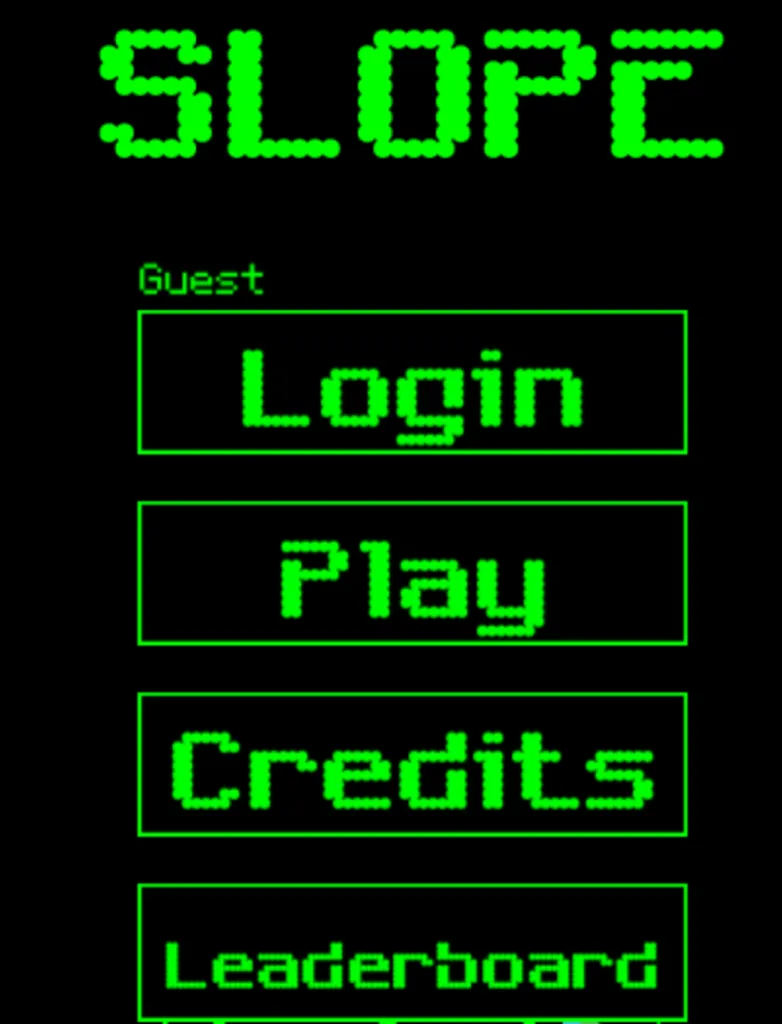
The Tech Behind the Ball: Unity and Visual Scripting
Slope was built using the Unity engine, but it wasn"t coded in the traditional sense. Kay used a visual scripting tool called Playmaker. This allowed him to build the game using logic blocks rather than thousands of lines of C# code. This "block-based" approach is visible in the game"s procedural generation. Every track you see in Slope is generated on the fly, meaning that no two runs are ever exactly the same. This randomness is what keeps the game fresh even after thousands of attempts.
The Mechanics of Momentum: Why We Roll
At its heart, Slope is a game about inertia.
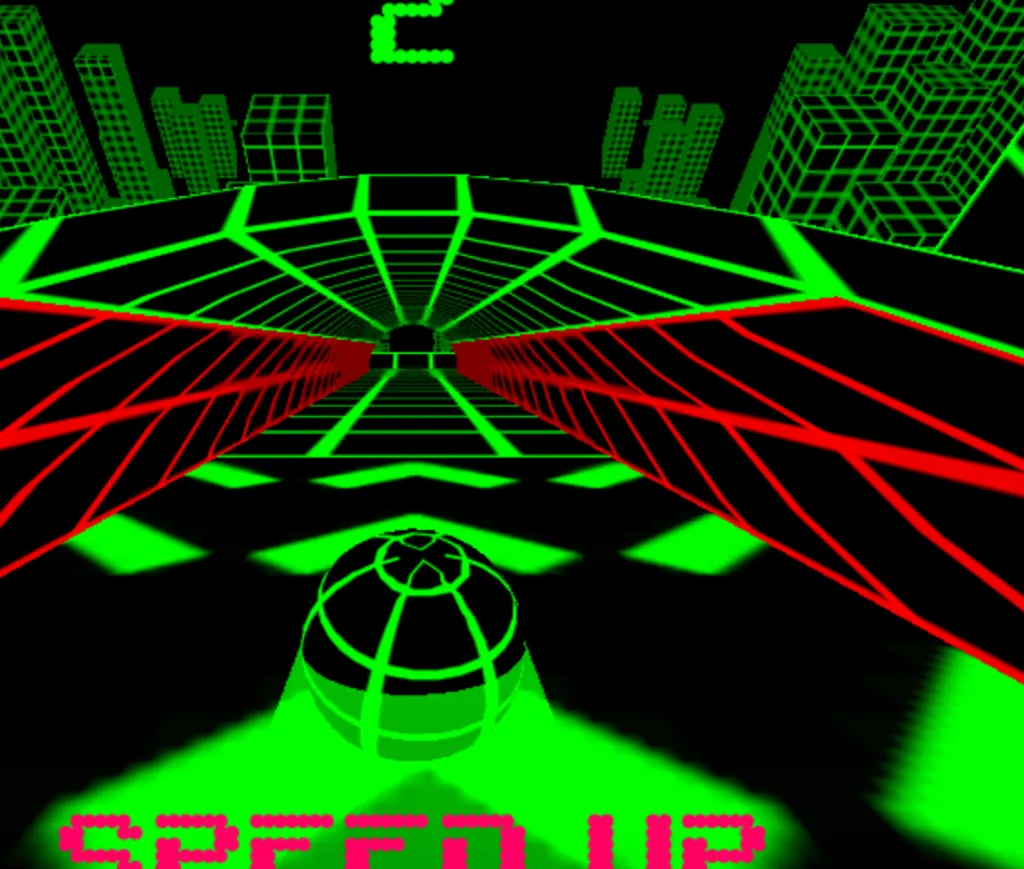
- Acceleration: The further you go, the faster you roll. There is no speed limit.
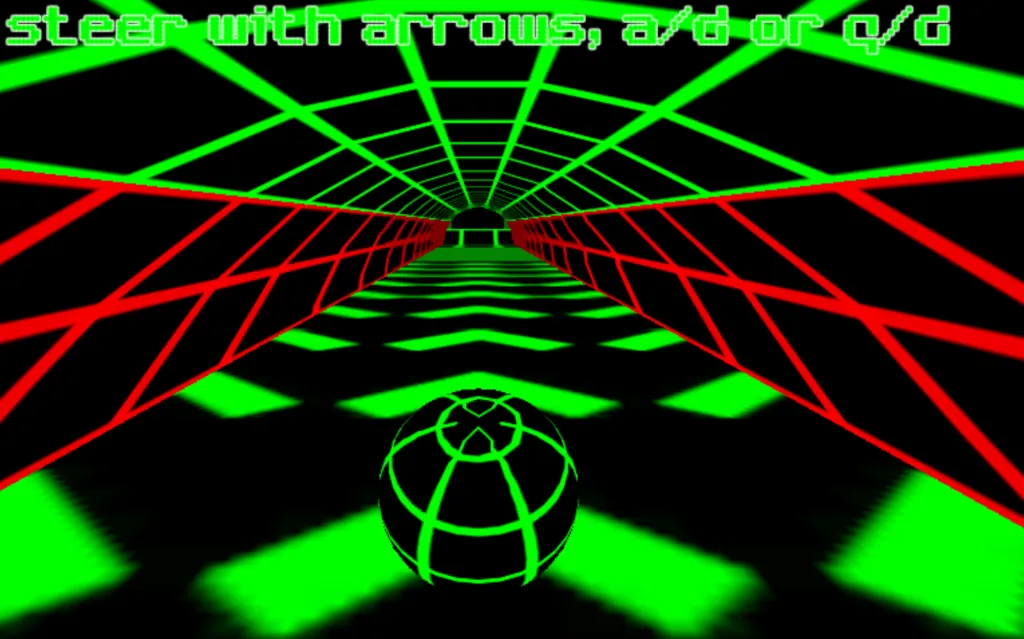
- Centrifugal Force: When you turn at high speeds, the ball wants to fly off the track. Mastering the "drift" is the difference between a high score and a plunge into the abyss.
- Red Hazards: These are not just obstacles; they are the "limiters" of the game. They force you to make rapid, micro-adjustments that test the very limits of your reaction time.
The "417" Legend: A Benchark for the History Books
For years, the Slope community was haunted by a specific number: 417. This was the original "hard cap" placed on the global leaderboard to prevent hackers from submitting impossible scores. For a long time, hitting 417 was the ultimate mark of a "pro." While modern versions of the game have removed this cap, the legend of 417 remains a part of Slope lore—a reminder of the days when the community fought to prove who was the fastest on the grid.
Mastering the Micro-Tap: Pro Control Strategies
If you watch an elite Slope player on Jjaemu.com, you"ll notice they don"t hold the arrow keys down. Instead, they use a technique called "Micro-Tapping."
1. The Technique: Rapidly tapping the A/D or Left/Right keys allows you to nudge the ball without triggering the heavy inertia of a full turn. This keeps you centered on the narrowest bridges.
2. Looking at the Horizon: Don"t look at your ball. Look as far down the track as possible. Your peripheral vision will handle the ball, but your focus needs to be on the obstacles that are 2 seconds away.
3. The "Zen" State: Because Slope is so fast, you cannot "think" your way through a high-speed section. You have to let your muscle memory take over. This is the same "flow state" that Rob Kay mastered in Guitar Hero.
Why Slope is the "School Favorite" on Jjaemu
If you go into any computer lab in the world, you"ll likely see Slope on a screen. Why?
- Bypassing Restrictions: On Jjaemu.com, we ensure that our Slope mirrors are always active, making it accessible even on restricted networks.
- Zero Loading Times: The game is incredibly lightweight. It loads in seconds, even on low-end Chromebooks.
- The 30-Second Loop: You can die, restart, and be back at top speed in under 5 seconds. This fast feedback loop is perfect for quick breaks.
Frequently Asked Questions (FAQ)
Q1: Who actually made Slope?
A: It was created by Rob Kay, the lead designer of *Guitar Hero*. His background in rhythm games is why Slope feels so well-timed and fluid.Q2: What is the highest possible score?
A: There is no theoretical limit, but scores above 200 are considered "Elite," and anything above 400 is world-class.Q3: Why does the ball turn so slowly at high speeds?
A: It"s a result of inertia. The faster you move forward, the more force it takes to move sideways. This is why the "Micro-Tap" technique is essential for late-game survival.Q4: Is Slope built with Unity?
A: Yes, it is one of the most famous examples of a browser-based Unity game. It uses a tool called Playmaker for its logic.Q5: How do I avoid the red blocks?
A: Focus on the "space" between the blocks, not the blocks themselves. Your brain will naturally steer you toward the center of the gap if you keep your eyes on the exit of the obstacle.Conclusion: The Never-Ending Slope
Slope is more than just a ball on a track. It is a testament to the power of minimalist design and the brilliance of a veteran developer. Whether you are chasing the legendary 417 or just trying to beat your friend"s high score, Jjaemu.com is the best place to experience the neon-lit thrill of the world"s favorite endless runner.
Keep your eyes on the horizon, keep your hands steady, and don"t stop rolling.